Showing posts with label Teeth. Show all posts

Teeth Whitening Ayurvedic and Home Remedy Methods

It is not wrong to say that the teeth are indicators of the beauty of the face. Even top actors and actresses undergo dental cosmetic surgeries and whitening procedures in order to increase their 'face' value. A person with yellow or brown teeth is looked down upon. Hence it is extremely necessary to take proper care of teeth.
The mouth is the seat of the kapha dosha. Hence, care must be taken not to vitiate the kapha dosha. Problems with the kapha dosha lead to several oral and dental problems, including the loss of whiteness of the teeth.
However, many methods are known to the Indian science of Ayurveda by which a person can get the whiteness of teeth back. There are also methods to maintain whiteness of teeth. Many of these advantageous methods are mentioned in this article, with some other tips and pointers.
(1) Useful Herbs for Whitening of Teeth
1. Babul (Acacia arabica)
The importance of babul in whitening of teeth cannot be expressed in words. It is so much important in Ayurveda for this purpose that the ancient Indians used nothing but the twigs of the babul (the other tree used for this is neem) as disposable toothbrushes. The tannin present in babul is effective in increasing the whiteness of teeth.
2. Banyan (Ficus religiosa)
The aerial roots of the banyan can also be used as disposable toothbrushes. The banyan roots have astringent properties, which not only make the teeth whiter, but also make the teeth and gums healthier.
3. Holy Basil (Ocimum sanctum)
The leaves of the holy basil are dried in the sun and powdered and used for brushing teeth. The leaves help in maintaining dental hygiene and make the teeth whiter. Apart from the whitening properties, holy basil is also used for protection from problems such as pyorrhea (i.e. bleeding of gums).
4. Margosa (Azadirachtha indica)
The neem tree, or the margosa, is a traditional remedy for having white healthy teeth. Neem twigs are used by several Indians even today as toothbrushes. Neem oils contain astringent and antiseptic properties to fight bad breath, kill microorganisms accumulated on the teeth and to combat dental caries and cavities.
(2) Dietary Methods for Whitening of Teeth
In order to keep the teeth clean and white, pungent, bitter and astringent foods must be included in the daily diet. These tastes have an astringent effect on the teeth which helps to maintain them clean. They also take care of the excess buildup of plaque on the teeth, which makes them lose their pearly white color.
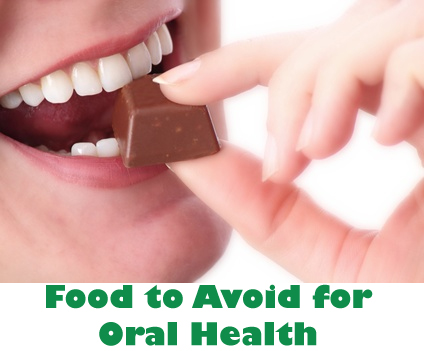
Sugary foods in any form are bad for the teeth. Chocolates are also not good. If you do consume such foods, you must remember to wash your mouth thoroughly with strong gargles so as not to leave any sweet residue in the mouth.
Avoid excess tea and coffee. These beverages contain strong alkaloids which can stain the teeth. The same is applicable to smoking. Almost every person who smokes will lose the white coloration of the teeth. Chewing of the paan (betel leaf), as is done in several Indian regions, is also disastrous to the whiteness of the teeth. This habit can stain the teeth cream, yellow or even a dirty shade of rust brown.
(3) Ayurvedic Methods for Whitening of Teeth
Ayurveda provides many kinds of toothpaste and toothbrushes for maintaining white healthy teeth. One of them is toothpaste made by mixing a paste of holy basil leaves with mustard oil. The neem and babul twigs are used as toothbrushes. They are rubbed vigorously on the teeth (sometimes with charcoal also) in order to remove all the plaque accumulated on the teeth and to make them whiter.
(4) Home Remedies for Whitening of Teeth
1. For teeth that have lost their white color, prepare a mixture of charcoal of babul wood, roasted alum and some rock salt. Rub this on the teeth instead of using the conventional toothpaste. You will have white and long-lasting healthy teeth.
2. You can try using sodium bicarbonate regularly each morning as a toothpowder instead of toothpaste. Sodium bicarbonate replenishes the lost mineral content of the teeth, which helps them to regain their whiteness.
3. Strawberries, tomatoes and amalaki contain good vitamin C content. These can be directly applied on the teeth. Vitamin C helps in removing the plaque on the teeth and makes them whiter.
4. Rub an orange peel on the teeth every night before going to sleep. The vitamin C of the orange peel will combat with the microorganisms all through the night.
5. Take adequate measures of dental hygiene. Brush your teeth after every meal, or at least in the morning and before going to bed. While brushing your teeth, take care to sweep out all the embedded food particles. This is the most natural way to keep your teeth white and healthy.

5 Teeth Whitening Tips

Have you ever noticed a friend of yours who is pretty jolly at other times is silent and suppressing her smile when she is in a group? Have you wondered what the reason might be? Do understand that most likely it is because of her pale looking teeth. To avoid any embarrassment she might be finding it a better option to remain serious. But I am sure you wouldn't want any such situation for yourself. Isn't it? So you must be wondering 'How to get White Teeth'. Just check out for yourself a few wonder tips that would help you get bright white teeth.

How to get White Teeth Fast?

1. If your teeth are too pale and actually needs an immediate remedy, go to a dentist for bleach, to get bright white teeth. This may prove to be expensive. But it is to be done only once. After getting this done you can follow the other tips given below.

2. The next remedy for your question is to brush your teeth every time you take your food. If all times it is not possible, you can do as much time as possible. At those times when you cannot brush, you clean your mouth with lots of water and gargle with salt water.

3. Another proven answer to get good teeth is Sesame Oil. Needless to say, it is one of the safest methods too. Just take a ¼ mouthful of pure sesame oil and keep it in the mouth and rinse the mouth well especially the teeth. Let it mingle with the saliva and slowly it will become thinner. In the process, it will completely remove the stains on the teeth. Now spit it out and wash your mouth well and do your normal brushing after that.

4. Yet another simple solution to your question is salt. Yes, using salt in your paste while brushing, mixing salt in water and washing the mouth with that water after brushing would help remove discoloration and.

5. Above all, the best solution is not any tips to remove the stains or the paleness, but to avoid forming them and helping to get bright white teeth. Isn't it right? Yes, what is the use of applying any of these tips if we keep on adding stains to it? So is we stop taking too much of caffeinated drinks, wine and stop smoking, the root cause itself will be eliminated and it will become easy to get bright white teeth. Along with this, if you are going to add fresh fruits and vegetables in your diet, more so, if they are raw and whole, that would add more power to the process.

Top 6 Oral Care Tips to Prevent Teeth Problems

Oral care is a major element of the basic human hygiene and healthcare. This consists of taking proper care of your teeth and gums. A preventive care of your teeth and gums can help to avoid many painful and other costly problems brought about by cavities and other mouth problems. However, many people overlook oral care and this leads many severe problems. A regular visit to your dentist is one amongst the most important things you have to do to ensure you have sturdy plus healthy teeth. Other than this, there are other simple dentistry tips that can help prevent severe teeth problems. Below are a few oral care tips.
Basic Oral Care Tips
1. Brush two times a day
Most people might consider this almost insignificant. However, brushing your teeth at least twice each day is your very first step to dental care. During the day, small food particles accumulate on your teeth surface and between the teeth. The bacteria in your mouth, then converts the food particles into acids. These acids then blend with saliva and this leads to plaque. Deposition of plaque causes cavities plus tooth decay. It's therefore very important that you brush your teeth at least twice a day to reduce plague build-up.
2. Brush your teeth properly
Most people brush for as little time as 30 seconds; this is not enough to eliminate all the plagues. Make sure you always brush at least 2 to 4 minutes. Most dentists, recommend that you brush your teeth after every meal, however, if this is not possible; make sure you do it before and after bedtime. This is very important.
3. Floss and use mouthwash daily
Fluoride makes your teeth healthier, brighter and stronger. Although most toothpastes contain fluoride contents, you can still choose oral intake in form of tablet. Actually if you offer fluoride to children at their early stages of development, then they will develop strong and healthy teeth.
You also need to use mouthwash each and every day. This is because, mouthwashes are very important for proper oral care. They leave your mouth clean and your breath very fresh. They also consist of great antiseptic properties that eliminate bacterial plague.
4. Watch your diet
Taking low sugar diet can help protect your teeth. Dentists around the world recommend low sugar consumption since high sugar diet can cause tooth decay. Avoid starches and sweets; they will only cause cavity formation. If you really have to eat sugary foods, ensure that you brush your teeth immediately after eating. Also make sure you avoid tobacco and other tooth discoloring products such as black tea, berries and red wine. Such foods will only affect the appearance of your teeth.
5. Replace your toothbrush after every 3 to 4 months
With time, the bristles of your toothbrush will be frayed. Such a toothbrush will not do a good job. Therefore, for proper cleaning of your teeth, make sure you change your toothbrush every 3 or 4 months.
6. Visit your dentist regularly
Tartar and plaque are likely to form despite how firm your oral hygiene is. It's therefore very important that you visit a dentist regularly. He or she will help clean the plague deposits and also detect and take care of cavities to ensure your teeth and gums are healthy. Always make sure you have your teeth polished at least twice every year.
Your oral health has a great impact on your overall wellbeing. If you follow the above oral care tips, your teeth and mouth will always be in good condition.

Common Dental Problems In Adults

Good health is important. Equally important is dental health. There are several dental problems in adults that could really make your life miserable. We tend to not take these things seriously, because we take it for granted. But the reality is that nothing can make your day worse than dental problems. We need our mouth and teeth to stay healthy at all times, because they are amongst the most important parts of our body. We eat and chew our food thorough the mouth and teeth, we talk to people, and smile at them while establishing connections. There are several kinds of dental problems, but the good news is that with a few simple steps, they can all be prevented.
Bad breath
Bad breath is amongst the topmost dental problems in adults. The most common cause for this is bacteria on the tongue, which can be caused due to spicy food, liquor, cigarettes and so on. This is a really embarrassing problem to have, so you should make sure that you use a good mouthwash after every meal. If you are a smoker, the best way would be to quit - but if you can't, try rinsing your mouth with a strong mouthwash after every cigarette. It could also be caused by cavities, in which case you can have it treated. If you suffer from chronic bad breath, it is best that you visit your dentist straightaway.
Toothache
Toothache is also a very common problem. There are several causes for this. It could be due to a cavity which is rotting your teeth and causing it to hurt. It could also be due to overconsumption of starchy food such as sugar, which combines with plague - a substance that covers the teeth. The result is a set of acids which attack teeth enamel and cause decay. To prevent this, all you have to do is go slow on candy and starch ridden food such as crackers or beer. It is not a pleasant thought - especially if you love beer, sweets and junk food. But let's case it - these measures are much better than having to go through painful treatments such as root canal therapy.
Sensitive teeth and mouth ulcers
Tooth sensitivity is also one of the common dental problems in adults. So if your teeth hurt every time you have something cold - like ice cream, or a drink, it is advisable to get yourself treated by a good dentist. There is nothing to worry about - it doesn't mean that your teeth are falling off or that you are growing old. Apart from these, there are also mouth ulcers which are sometimes extremely painful. While there are plenty of gels available which can help you every time they pop up, the wiser thing to do would be to take prevention measures and get to the root cause. It could be that your body heat is higher than average, due to which spicy food rake up your system. It could also be caused by smoking, or by illnesses.

Eat Right and Don't Forget Your Oral Health


Oral health is important. Without a healthy mouth, our body cannot be healthy. Digestion is more difficult without healthy teeth and gums. When it is uncomfortable to chew, it is often a result of eating numerous sugary foods. Try to avoid certain foods, and the mouth will not become a breeding ground for bacteria when plaque is allowed to reside in the mouth for extended periods of time. We have to focus on what we eat to ensure the mouth remains in balance. Here are a few tips to help you maintain good oral health.

1. Don't Eat Foods That Cling to Your Teeth:

Avoid food that will promote tooth decay by clinging to your teeth. Soft, chewy, sticky foods will cause cavities faster than other foods. For instance, dried fruits, caramel, candy, and cakes will all cling to the teeth and cause tooth decay. Instead, try eating nuts, raw vegetables, plain yogurt, sugarless candy, and cheese.

2. Avoid Carbohydrates:

Fermentable carbohydrates will create an environment in your mouth conducive to tooth decay. Crackers, chips, and cookies are all considered fermentable carbohydrates and should be avoided. When you eat crackers, you should include cheese with it.

3. Avoid Acidic Foods:

Too much sugar or citrus fruit contain a significant amount of acid. The acid can, then, cause cavities after prolonged exposure. Dentists recommend brushing and flossing teeth after eating this type of food.

Keep in mind that even healthy foods, such as orange juice and milk, contain acid can be a problem for people concerned about oral health. Avoid these drinks and also carbonated drinks to avoid chemical erosion that may cause a problem in the enamel layer of teeth.

4. Avoid Hard Foods:

Avoid eating hard foods. Pretzels and ice may crack teeth, damage fillings, and enamel. Hard foods should only be eaten in moderation to ensure teeth remain healthy and intact.

5. Avoid Foods at Extreme Temperatures:

When food is extremely hot or extremely cold, metal and resin fillings may contract and expand and cause teeth to crack. Fillings may also begin to leak. For instance, you should not eat ice cream and then, drink hot water. The temperature of the mouth should gradually rise to normal after eating food. The converse is also true. Do not drink cold water after drinking hot tea or coffee. Otherwise, small fracture lines may develop in the teeth.

6. Avoid Fast Food and Junk Foods

Adequate calcium will promote good dental health. This is necessary in both adults and children's lives. Always consume enough calcium and brush your teeth after every meal. Bacon, mayonnaise, and barbeque sauce can harm teeth and gums and should be avoided.

Your Oral Health is Important. Avoid Inappropriate Foods.

Everyone is aware that they should brush their teeth at least two to three times per day, but how many people know that they should also eat healthy. Unhealthy diets can cause tooth erosion. Choose what you eat carefully to avoid undesirable oral health.

Tips For Oral Care

The hot weather in summer in some way has facilitated the breeding for all kinds of bacteria. For those who pay much attention to their oral health, we have some tips to offer in the oral care in summer time. Now let's take a look at them.

1. Pay attention to oral hygiene
The temperature is very high in summer. Some people don't pay enough attention to oral hygiene after eating some spicy food, which makes it easier to appear a large number of dental plaques on the tooth surface, as time passes, they will become dental calculus. If there are plaques and dental calculus on the tooth surface which haven't been removed in time, it is likely to cause gingivitis, periodontitis and a series of oral diseases. Appear finding the dental plaque or dental, one should go to a normal hospital timely for cleaning which is very important to protection of oral cavity and prevention of periodontal disease.
2. Form good eating habits
In summer, one should note not to eat much spice or deep-fried food in order to reduce the stimulation to the gums; barbecued kind of food will directly stimulate the periodontal mucosa, causing congestion and edema which should also be eaten less. Eat more fresh vegetables, fruits, and other food which helps to clear the heat in the stomach, such as green tea, chrysanthemum tea and green bean soup etc. Reduce the number of times of eating sugar, avoid the erosion that the residual bacteria caused to the teeth in order to avoid tooth decay. After drinks like carbonated beverage or orange juice, one should go and gargle with water in time to avoid that the acidity materials it contains damage tooth hard tissue.
3. Pay special care to the teeth
To strengthen the protection for the teeth, such as timely removal of residual crowns and roots, reparation of tooth decay, regular cleaning of the teeth and so on; People who are equipped with false teeth should wash the teeth every now and then and it is better to take off the denture for cleaning and gargle with pure water or brackish water. If there are herpes, gargle with water which contains disinfection substances, no less than five times a day. Of course, the fundamental measure is to have a good arrangement for the summer life. Combine proper work with proper rest, eat less cold food, and pay attention to supplement of nutrition. In doing all this, we can improve the body disease-resistant ability and take good care of our teeth.

How to Take care Kid Permanent Teeth


Have you ever wondered why some teenagers have fairly good teeth, while some do not? This boils down to the way that the teeth was properly taken cared of at a younger age. The teeth are very important and therefore must be given the proper care from infancy up to the time that permanent teeth begin to grow.

Secrets:
Add beauty to any person is the teeth. Next to the face the teeth contribute to the overall appearance of any person. In fact, having good teeth helps improve the self-confidence of anybody. This is the reason why it is very important for the permanent teeth of a kid to be well-taken cared of, especially that it is one of the factors that would greatly affect his future.
Even before the first set of permanent teeth sprout sometime at the age of six, depending on the development of the child, proper care should be given to the primary teeth and gums.

Brushing :
Brushing must constantly be done on a regular basis.

Milk:
Milk should not be left overnight in the mouths of children especially when they have not been weaned from a feeding bottle. Milk is one primary cause of tooth decay and it is best to give some water to the child after drinking milk if he is still a baby or in the toddler years. If not, brushing is still highly recommended.

When the permanent teeth start to emerge, it is very important to be more vigilant in keeping the teeth clean by brushing and using the right kind of toothpaste.
 As much as possible, the teeth should be brushed after every meal, preferably three times a day. The kind of toothbrush to be used must also be considered since there are poor quality toothbrushes available that cannot even reach the inner areas of the mouth properly, while there are good quality toothbrushes that work really well in cleaning the teeth and gums altogether.

Aside from brushing the teeth, regularly seeing the dentist is imperative. The child, even at a young age must be exposed to the dentist so that he would not be afraid of the dentist. A child must also undergo dental prophylaxis to ensure that the entire teeth and gums are clean.

See a Dentist twice a year:
Visiting the dentist at least twice a year is very ideal if you want your child's teeth to grow healthy.

Nutritious food:
Lastly, eat nutritious kinds of food. Milk should not be missed in the diet as it contributes to the healthy growth of teeth. And ultimately, sweets and strong mint candies must be avoided. Following all these would mean healthy permanent teeth for your kid.
via   


How to Cure a Toothache from Home


Baking Soda
If you take baking soda and dissolve it in warm water, it can serve to take away some of the pain of the toothache. Since the primary ingredient in the baking soda is a base product, it acts against the acids that are causing your pains.

The tooth ache cure that works for you depends on the cause of your problem. When dental pain is caused by the pulpitis from a small tooth cavity, placing a small cotton ball soaked with oil of cloves into the tooth cavity sometimes helps. An over the counter pain reliever such as aspirin, acetaminophen or ibuprofen may help calm the discomfort down. It is possible that your tooth could heal and recover without serious dental treatment. However, a dental cavity usually grows and digests the entire tooth. At some point you should consider visiting a dentist to prevent this destruction and possible tooth loss.

Keep the tooth as clean as possible with your toothbrush - use a fluoride toothpaste and Sensodyne toothpaste may help too. Floss around the tooth - sometimes pain can come from trapped food / plaque in the gum. If it bleeds - then the gum is inflamed.

Dabbing clove oil on the tooth (not the gum) will help dull pain. Go to your dentist asap - toothache does not go away - it gets worse.....the longer it's left the harder it becomes to treat also.

Lime, as a rich source of vitamin C, is useful in maintaining the health of the teeth and other bones of the body. It prevents decay and loosening of the teeth, dental caries, toothache, and bleeding of the gums.

Another home remedy for toothache is in the use of clove, which reduces pain. It also helps decrease infection due to its antiseptic properties. Clove oil, applied to a cavity in a decayed tooth, also relieves toothache.

A simple way to cure toothache caused by nausea is to use a simple acupressure technique that I have mastered over the years and used successfully on many occasions. Hold the tip of your index finger firmly to the tip of your thumb to make a circle like 'O'. Then look at a distant object, such as your office, or garden. Once you do this your nausea will be gone and so will your toothache.

Clove serves as an excellent home remedy for toothache. Keep a clove in your mouth and suck it. You can even apply clove oil on the affected tooth.


Helpful Dental Care Tips


Dental care involves taking proper care of your teeth, gums as well as related structures of your mouth. It encompasses preventing and treating diseases of the teeth and gum and replacing or repairing defective teeth. In most cases, people suffer from dental diseases due to poor brushing, unbalanced diet, and negligence to dental care. This leads to numerous dental problems, which can be expensive, painful, complex, and time consuming. Most of the dental diseases can be prevented by paying much attention to the daily dental care. Proper dental hygiene is not only crucial to our physical appearance, but also essential to the wellbeing of our body. Below are several dental care tips that will help improve your health and look.
Brush your teeth after each meal
The ideal dental care involves brushing your teeth after each meal. Use soft bristle toothbrush and fluoride and carefully brush along all the surfaces of the teeth in a back and forth motion. It is important to avoid brushing your teeth too vigorously as this can wear down teeth structures. To thoroughly clean each tooth, change the position of your brush after few strokes.
Take your time when you brush
Most people brush for as little as twenty seconds, which is not long enough to get rid of most of the plagues. You should brush for at least two minutes every time you brush your teeth. While you have to brush after every meal, it is before bedtime and after bedtime that is the most crucial.
Flossing techniques
For proper dental care, proper flossing technique must be used. Use about 18 inches floss and wrap both ends against each of your middle fingers. Firmly hold the floss between your thumb and forefinger on each hand. Pool the floss between each other gently, rubbing against the sides of your teeth.
Regular dental checkup
It is essential to visit the dentist at least once every three to four months. Getting your teeth checked by a dentist will help detect any oral problem early. There are no dental signs associated with many oral health problems until the condition has developed to the advanced stage. You should not hesitate to visit the dentist if you have a tooth ache.
Use mouthwash twice a day
For proper dental care, mouthwashes are imperative as they will keep your breath fresh and your mouth feeling clean. They contain effective antiseptic properties that slay the bacterial plaque. It is also vital to maintain a good balanced diet, and reduce the consumption of starchy and sugary foods that are known to trigger tooth decay. To maintain good dental care, avoid consuming between meal because it will make your teeth prone to decay.
Avoid smoking
For a good dental care, smoking should be avoided as it can cause tooth decay, bad breath, tooth discoloration, and gum disease. Some of the other bad effects of smoking are hairy tongue, mouth bores, delaying wound healing, shifting teeth, jaw bone loss among others.
Dental care in an important part of general health and proper oral health gives a sense of overall wellbeing. By performing daily care of your mouth, gum diseases and tooth decay will stay at bay.
By 


Basic Tips for Dental Care and Maintenance


Dental care engages taking correct care of your teeth, gums as well as related organizations of your mouth. It encompasses stopping and healing diseases of the teeth and gum and restoring or fixing defective teeth. In most situations, persons suffer from dental infections due to poor scrubbing, unbalanced diet, and negligence to dental care. This directs too many dental problems, which can be costly, sore, complex, and time consuming. Most of the dental infections can be stopped by giving much vigilance to the every day dental care. Correct dental hygiene is not only crucial to our personal appearance, but furthermore essential to the well being of our body. Underneath are several dental care tips that will help improve your wellbeing and gaze.

Brush your teeth after each meal

The ideal dental care involves scrubbing your teeth after each serving of food. Use supple bristle toothbrush and fluoride and carefully brush along all the exterior of the teeth in a back and forward motion. It is significant to bypass brushing your teeth too vigorously as this can wear down teeth organizations. To methodically clean each tooth, change the place of your brush after couple of caresses.

Take your time when you brush

Most persons brush for as little as twenty seconds, which is not long sufficient to get rid of most of the plagues. You should brush for at least two minutes every time you brush your teeth. While you have to brush after every serving of food, it is before bedtime and after bedtime that is the most vital.

Flossing techniques

For correct dental care, correct flossing method should be used. Use about 18 inches floss and cover both finishes against each of your middle appendages. Firmly contain the floss between your thumb and forefinger on each hand. Pool the floss between each other softly, wiping against the edges of your teeth.

Regular dental checkup

It is absolutely vital to visit the dental surgeon at least once every three to four months. Getting your teeth checked by a dental surgeon will help notice any oral difficulty early. There are no dental signals affiliated with many oral health troubles until the status has evolved to the advanced stage. You should not hesitate to visit the dental surgeon if you have a tooth ache.

Use mouthwash two times a day

For correct dental care, mouthwashes are imperative as they will keep your breath new and your mouth feeling clean. They contain productive antiseptic properties that slay the bacterial plaque. It is also vital to sustain a good balanced diet, and decrease the consumption of starchy and sugary foods that are renowned to trigger tooth decay. To sustain good dental care, avoid consuming between serving of food because it will make your teeth prone to breakdown.

Avoid fuming

For a good dental care, fuming should be bypassed as it can origin tooth decay, awful breath, tooth discoloration, and gum disease. Some of the other awful effects of smoking are hairy tongue, mouth bores, delaying wound healing, shifting teeth, jaw bone decrease amidst other ones.

Dental care in a significant part of general wellbeing and correct oral wellbeing presents a sense of overall well being. By accomplishing every day care of your mouth, gum infections and tooth breakdown will stay at bay.
by 


Kids Dental Health : Tips to Improve Strength


Taking care of your respective health is vital to live a lengthy and content life. A lot of people today usually are not concerned anymore of these diet, fitness and lastly hygiene. And thus, the life span of humans on this era will be surprisingly 58 plus simply compared inside the olden instances where reaching 100 is normal. Anyhow, I would really like to highlight more about improving the dental health of youngsters. The truth with the matter will be parents typically neglect this kind of aspect for this reason their youngsters are quite sickly. What they cannot know can it be affects the complete body. So below are a few tips regarding proper mouth hygiene.

First thing that you ought to do will be teach your young ones to remember to brush their tooth daily employing a soft toothbrush. To produce it more pleasurable and fascinating, demonstrate it in their mind. Do it in the circular action. Then rinse your tooth thoroughly together with water and also spit that out. It really is significant which you oversee the youngsters when they may be brushing their particular teeth. How come that? It is because children want to imitate men and women plus it will be a excellent bonding knowledge between you as well as the kids. Always be sure you teach them the optimal way to clean their particular teeth.

Second of all, children must also be educated on flossing. That is an essential section of oral hygiene as it prevents a single from periodontal diseases, halitosis, and also dental caries. In accordance with experts, flossing on a regular basis can reduce heart problems. This is totally beneficial in your young kinds. Moreover, make certain you just usually do not use virtually any material inside flossing in order to avoid teeth irregularity. It must be made coming from thin nylon filaments or even a silk lace.

As much as you can, advice the kids not you can eat so significantly hard sweets, chocolates, lemon or lime fruits and also sugar. These foods can destroy one's teeth if take in in a large amount. It can be your role because the parent to guide your youngsters to eating the proper kinds regarding food.

Lastly, bring your young ones to the particular dentist every half a year for an everyday cleaning. This may greatly increase the dental health of one's kids given that these tooth experts are usually well knowledgeable and prepared to appropriately check and also clean tooth. We can not deny the fact there are usually teeth matters that will only become handled simply by them. Regular checkup also lets you monitor the healthiness of your precious kids plus you obtain professional assistance.

Benefits of using Mouth Wash


Many believe that they can keep away bad breath and germs by performing the simple act of brushing which may not always be the case. There are many benefits of adding mouthwash to your daily regimen for healthy teeth.
Flossing and tooth brushing are able to combat germs only on the areas they are able to reach. It is vital to have a second plan of defense so as to eliminate the various germs found in your mouth especially on the gum line and in between teeth. Rinsing your mouth regularly with mouthwash will help in fighting gum disease causing germs.

Another important benefit of using mouth rinse is that you’ll have fresh breath since many of them come in an assortment of flavors you can choose from, that will leave a nice taste in your mouth. When you have fresh breath, you’ll not only feel confident, but those around you will feel comfortable being in your company as well.

When you rinse your mouth with mouthwash, it tends to loosen the particles of food that tend to get stuck in between your teeth. It also offers a great alternative to dental floss in the sense that it is less time consuming even though it doesn’t do a good job as flossing.

Mouth rinse plays an important role in preventing cavities by killing germs, freshens your breath and in the removal of food particles. When you regularly rinse your mouth with mouth wash, you reduce the chance of developing plaque which is the major cause of dental cavities. The process of rinsing your mouth with mouth wash is a simple one since all you need is to put a little bit of it in to a cup and swish for about 30 seconds and spit.

There is a wide range of mouth wash available to suite all your oral hygiene needs. Some of them include antiseptic rinses, fluoride mouth washes or combination mouthwashes which may be prescribed by your dentist or be purchased over the counter. Some of those that may require a prescription include PerioGard or Peridex which are used in the treatment of gingivitis, a periodontal disease that causes the swelling, bleeding and inflammation of gums.

An antiseptic mouthwash, as the name suggests, helps to kill bacteria and freshness your breath, whereas the fluoride rinse prevents tooth decay and also serves to strengthen your teeth. The former is used pre and post-surgery to prevent infections and may also be recommended for those with oral thrush or gum disease. Since antiseptic mouth washes interfere with ability to taste not to mention, staining the teeth it is important to consult a professional on frequent use.


How to Get Rid From Gum Infection


WHAT IS GUM DISEASE?

Gum disease is a bacterial infection of the gum tissue, it is a serious condition that starts as gingivitis and can progress to periodontitis. According to the British Dental Health Foundation "19 out of 20 people suffer from gum disease (gingivitis) at some point in their life making it the most common disease in the world.


DURING DENTAL CHECKUPS:

During a typical checkup your dentist or dental hygienist will remove the plaque and tartar from above and below the gumline of all your teeth. If you have some signs of gingivitis, your dentist may recommend that you return for future cleanings more often than twice a year. Your dentist may also recommend that you use a toothpaste or mouth rinse that is FDA-approved for fighting gingivitis.

TREATMENT:

The gum infection treatment for a gum ball, the patient is numbed and the gum boil is cleaned out and drained of pus. An antibiotic chip is placed in the remaining pocket and the patient is given a Tetracycline 500mg prescription to take for a week. This causes swelling and the opposing tooth starts biting down into the swollen gums. In most cases with Pericornitis, the patient is placed on Keflex 500 mg for three to seven days and the wisdom tooth is removed.

Prevent gum disease by flossing between your teeth each day to remove plaque from areas in your mouth that the toothbrush can't reach. To prevent gum disease, avoid smoking and using tobacco, limit sweets and sugary foods to meal times, and drink lots of water to keep yourself well-hydrated. Avoiding frequent intake of acidic black cola type soft drinks will also help to prevent gum disease.

Flossing removes food particles from between and around your teeth, including debris that has gotten wedged into the gum. You may not be able to see these particles, but flossing can expose and get rid of them, reducing gum inflammation and eventual infection. Use an eighteen-inch piece of dental floss, with the ends wrapped around each forefinger and grasped by the thumbs. Push it up and down between teeth, moving along the length of the floss for a clean section each time you clean another tooth.

Use a mouth rinse:

 An antimicrobial mouth rinse can provide extra help in controlling plaque. Listerine is a good choice and has been approved by the American Dental Association.

Medications may be used with treatment that includes scaling and root planing, but they cannot always take the place of surgery. Depending on the severity of gum disease, the dentist or periodontist may still suggest surgical treatment. Long-term studies will be needed to determine whether using medications reduces the need for surgery and whether they are effective over a long period of time.

Osseous  surgery:

Osseous (bone) surgery sometimes accompanies flap surgery. In osseous surgery, some of the bone around the tooth is reshaped. In certain cases, a bone area may be employed to replace lost bone. Splints or other appliances may be used to stabilize loose teeth temporarily and may be necessary after completion of periodontal therapy as well.

Chlorhexidine:

Chlorhexidine is a commonly used antiseptic mouthwash. You should rinse your mouth well with water between brushing your teeth and using chlorhexidine. This is because some ingredients in toothpaste can inactivate chlorhexidine. Chlorhexidine may also stain teeth brown when used regularly.


7 Food for Natural Teeth Whitening


1. Pineapples - This fruit is an efficient source of acquiring natural and organic teeth whitening. Pineapples are made up of enzyme bromelain which can function as an organic discoloration cleanser. Bromelain additionally can help in natural removal of plaque buildup from your teeth, removing oral plaque buildup is important to a whiter smile simply because oral plaque produces harmful bacteria that causes breakdown inside the enamel of your teeth. Bromelain in pineapples will also help Indigestion and Heartburn as well as improving your general immune strength; so when including pineapples in your eating habits, you're not just whitening the teeth but your also doing your body some justice.

2. Carrots - This can be a very important vegetable in regards to whiter teeth, reason being, carrots contain vitamin A. Vitamin A is necessary when it comes to your tooth enamel. The AACD advises that carrots be consumed uncooked when conversing teeth whitening, mainly because it will stimulate your saliva (the body's natural cleanser). Vitamin A fused with saliva acts as a natural teeth cleanser.

3. Cheese - Cheese contains calcium, phosphorus, and protein, according to the AACD, a combination of the three serves as a barrier to the bacteria inside of your mouth. The 3 also serves as a restoring system for your teeth, providing you with a naturally brighter smile.

4. Onions - thiosulfinates and thiosulfonates are sulfur compounds which are found in onions. What these kinds of compounds do is get rid of bacteria that causes the teeth to decay. The problem in utilizing onions in regards to teeth whitening is that they must be uncooked for it to be effective. Cooking the onions is likely to get rid of the compounds that cause natural teeth whitening. If you're allergic or perhaps you just don't like onions, garlic even offers thiosulfinate and thiosulfonate.

5. Salmon - Salmon is made of Vitamin D, One of the major capabilities of Vitamins D is usually to assist in the inclusion of calcium and phosphorus. It is not possible for you to gain the many benefits of both of these minerals without having vitamin D; given that your body's calcium is kept in your skeletal frame and teeth.

6. Broccoli - This is an important vegetable in relation to teeth whitening, broccoli is made out of iron which helps to protect the outer the surface of your teeth, the more iron within your body, the less vulnerable to staining the teeth will become. The iron in broccoli is relied on as an acid resistant barrier.

7. Strawberry- Strawberries contains Malic Acid, Malic Acid removes surface stains. Simply eating the strawberries alone will not assist in whitening the teeth, there is a method that you need to follow.

Directions: Smash a single strawberry into a pulp, and then you mix baking soda with it until it's blended as much as possible. Spread the mixture on the surface of your teeth using a soft toothbrush. It is recommended that you leave the mix on your teeth for about 5 minutes (giving the malic acid time to remove the surface stains on your teeth). Add toothpaste to your toothbrush and brush extensively then rinse out (until the baking soda strawberry mixture is gone). You might notice several strawberry seeds in your teeth (nothing a little floss can't solve). It is advisable that you carry out this procedure once a week.


Brushing with Baking Soda : Secrets You need to Know

That being said, today I would like to talk about how you can treat your yeast infection using baking soda. I know that this sounds a little crazy, but this stuff is proven, and it really does work. Today, I would like to talk about the benefits you will receive by using this remedy, what you will need to do it, how to do it, before finally giving you some final words of advice.

Benefits

As you all know, baking soda is extremely cheap, and easily accessible. The two methods that I will discuss with you on this page are extremely easy to use. Best of all, these methods will actually help to lower pH levels within your body. When this happens, the amount of serum calcium in your body is reduced. What does this all mean? It's a proven fact that yeast infections are more likely to occur when excess amounts of serum calcium are found within the body. When you use baking soda, you're reducing serum calcium, and giving yourself less likely of a chance to develop another infection, and more likely of a chance to get rid of one that you already have.

Brush Your Teeth with Baking Soda

Now, you can actually drink baking soda as a remedy, but doing so can lead to a number of different problems. To combat this, or to give you another remedy that also works, you can actually brush your teeth with toothpaste and baking soda to receive the same effect. All you have to do is brush your teeth 3 times a day with this solution, and you will be doing your body a big favor, as discussed in the "benefits" section above.

Final Thoughts.
Baking soda really can help to fight off a yeast infection. This is actually one of the only remedies that I know of that will lower your PH levels, reduce the amount of serum calcium in your body, therefore fighting off your yeast infection.


Teeth Whitening From Home - Self Tooth Care

Brush at least twice a day. The best time to brush teeth is after meals.

Choose a toothbrush with a small head for better access to back teeth.

Soft bristles are kinder on your gums.

Use fluoridated toothpaste.

Fluoride helps to harden tooth enamel and reduces your risk of decay.

Brush thoroughly. Tooth brushing should take between two and three minutes.

Floss your teeth daily. Use a slow and gentle sawing motion.

Limit acidic drinks like soft drinks, cordials and fruit juices. Food acids soften tooth material and dissolve the minerals in tooth enamel, causing holes (cavities or caries). In severe cases, teeth may be ‘eaten’ right down to the gum.

Limit sugary foods. Bacteria in dental plaque change sugars into acids.

Protect your teeth from injury. Wear a mouthguard or full-face helmet when playing sports.

Try to save a knocked out tooth. Wrap it in plastic or place it in milk and seek dental advice immediately. It may be possible to put the tooth back.

Avoid using your teeth for anything other than chewing food. If you use them to crack nuts, remove bottle tops or rip open packaging, you risk chipping or even breaking your teeth.

See your dentist for regular check-ups.

You should also visit your dentist if you have a dental problem such as a toothache or bleeding gums.

Natural Teeth Whitening Methods - Orange


Salt and Lemon Juice
The solution may taste a bit weird when you first have a go but it's supposed to erase the yellowish tint of the teeth. In case your teeth look dull, you can apply this mixture on the teeth like some folks ceremoniously do so. When you do it frequent enough, it is supposed to reduce the dull color of the teeth with the acidic content of the lemon juice. For the best effect, you need to leave the remedy on the teeth a couple of minutes.

Bicarbonate of Soda
You'll find a number of men and women even now bleach their teeth with bicarbonate of soda. What on earth is bicarbonate of soda? You almost certainly know it as baking soda or cooking soda and already have it lying in your kitchen somewhere as cooking supplies. Otherwise, you can easily get bicarb at grocery stores or drug stores. Simply mix the bicarbonate soda with water and gurgle it on a regular basis. Using the solution routinely will keep your teeth shinier and whiter since it gets rid of unsightly stains from the teeth surface area. Or so it is believed.

Dried Orange Peel with Bay Leaves
Here is another one of those free home remedies for teeth whitening you can readily made yourself. Just mix and blend dried orange peel and bay leaves together into a teeth whitener paste to put on onto your teeth. Like other homemade remedies here, you have to do this often for it to be effective.

Orange Peel
The remedy requires the use of orange peel such as the last one but utilized in a different way. Ever notice the inner white side of the orange skin when you peel it? Most of us merely throw the orange peel away without much thought but that's one free home remedy for teeth whitening down the drain. You may give your teeth an attractive white sparkle by rubbing them with the inner white part of the orange peel. Don't expect instant shine given it could take up to a few weeks for results to show. In the mean time, just enjoy the freshness it leaves in your mouth.


Chipped Tooth Care Tips

If your tooth is broken, chipped, or fractured, see your dentist as soon as possible. Otherwise your tooth could be damaged further or become infected, possibly causing you to end up losing the tooth.

In the meantime, try the following self-care measures:

If the tooth is painful, take acetaminophen or another over-the-counter pain reliever. Rinse your mouth with salt water.
If the break has caused a sharp or jagged edge, cover it with a piece of wax paraffin or sugarless chewing gum to keep it from cutting your tongue or the inside of your lip or cheek.
If you must eat, eat soft foods and avoid biting down on the broken tooth. 
Treatment for a broken or chipped tooth will depend on how severely it is damaged. If only a small piece of enamel broke off, the repair can usually be done simply in one office visit. A badly damaged or broken tooth may require a more lengthy and costly procedure. Here are some ways your dentist may repair your broken or chipped tooth.

Dental Filling or Bonding

If you have chipped off just a small piece of tooth enamel, your dentist may repair the damage with a filling. If the repair is to a front tooth or can be seen when you smile, your dentist will likely use a procedure called bonding, which uses a tooth-colored composite resin.

Bonding is a simple procedure that typically does not require numbing the tooth. To bond a tooth, the dentist first etches its surface with a liquid to roughen it and make the bonding material adhere to it. Next, the dentist applies an adhesive material to the tooth, followed by the bonding material. After shaping the bonding material to look like a natural tooth, the dentist uses an ultraviolet light to harden the material.

Dental Cap or Crown
If a large piece of tooth breaks off or the tooth has a lot of decay, the dentist may grind or file away part of the remaining tooth and cover it with a crown, or tooth-shaped cap, made to protect the tooth and improve its appearance. Permanent crowns can be made from metal, porcelain fused to metal, all resin, or all ceramic. Different types have different benefits. All-metal crowns are the strongest. Porcelain and resin crowns can be made to look nearly identical to the original tooth. If the entire top of the tooth is broken off but the root is still intact, the dentist can often place a pin or a post in the root and build up enough of a structure onto which a crown can be made.  Later, the dentist can cement the crown over the pin or post-retained restoration. 


via: http://www.webmd.com/oral-health/guide/repairing-a-chipped-or-broken-tooth

Lemon to Whiten Your Teeth


Use Lemon Juice Mixed With Soda & Apply It On Teeth. Rub It Gently & Then Wash It Then Use Tooth Paste. Do This Daily. It Will Remove All Types Of Spots On Ur Teeth & They Will Shine Like Stars

Whiten Your Teeth in 7 Days from Home


Add a bit of Tooth paste in a Cup

Add and Mix Baking Soda ( 1 Tea Spoon)  with Paste.

Add Little Hydrogen Peroxide (1 Tea Spoon)

To get dilution add some Water (Minimal Quantity 1 tea Spoon).


Brush it for 1 or 2 Mins.

Footer Note:
  1. Dilute it with water at least 50%, don't leave it in your mouth for more than 20 seconds. 
  2. Don't Swallow Hydrogen peroxide (H2O2)
  3. Don't use it this way more than once per day.